How Project DYNAMO began
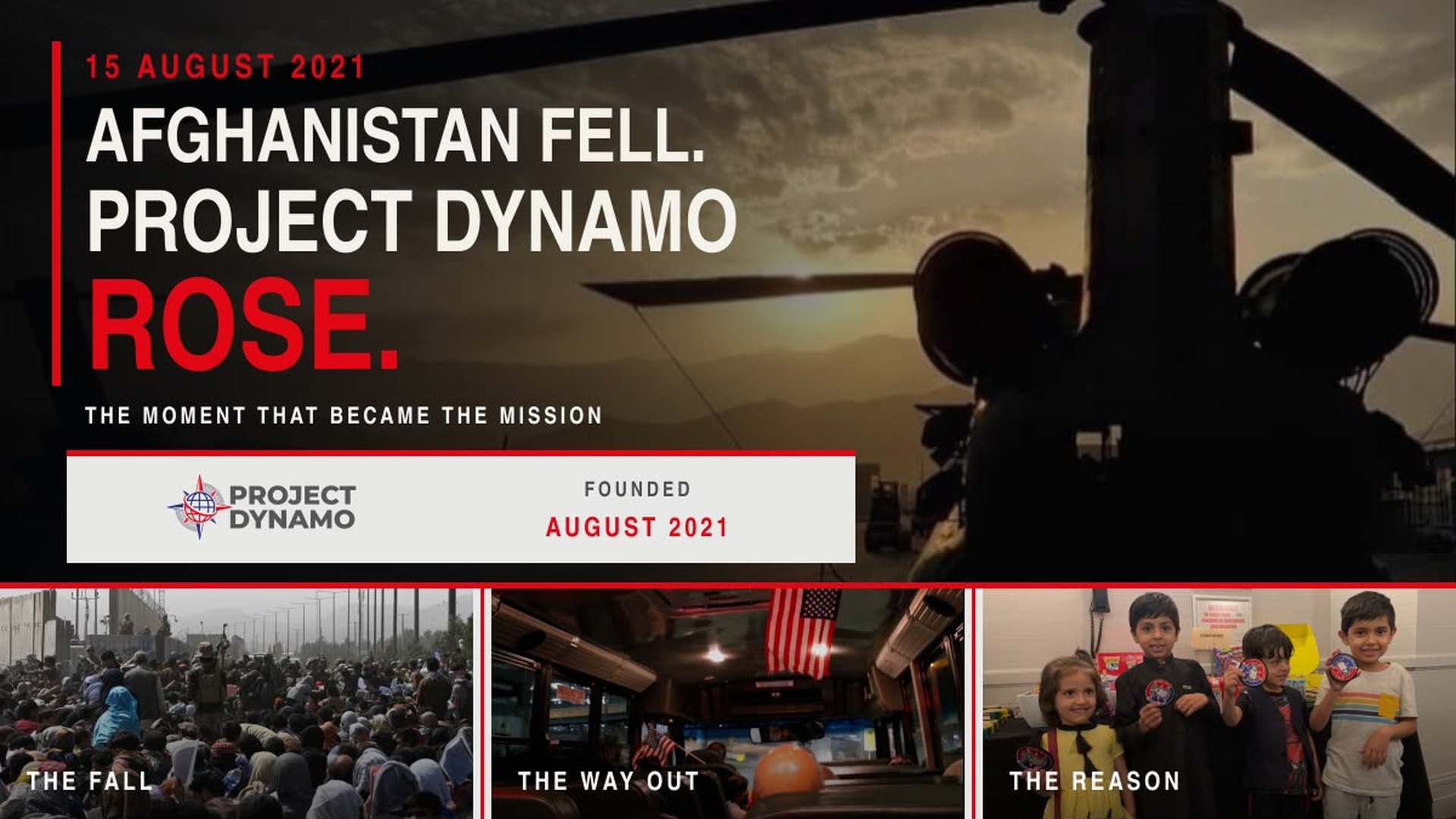
The mission began as Afghanistan fell. On August 24, 2021, it became Project DYNAMO.
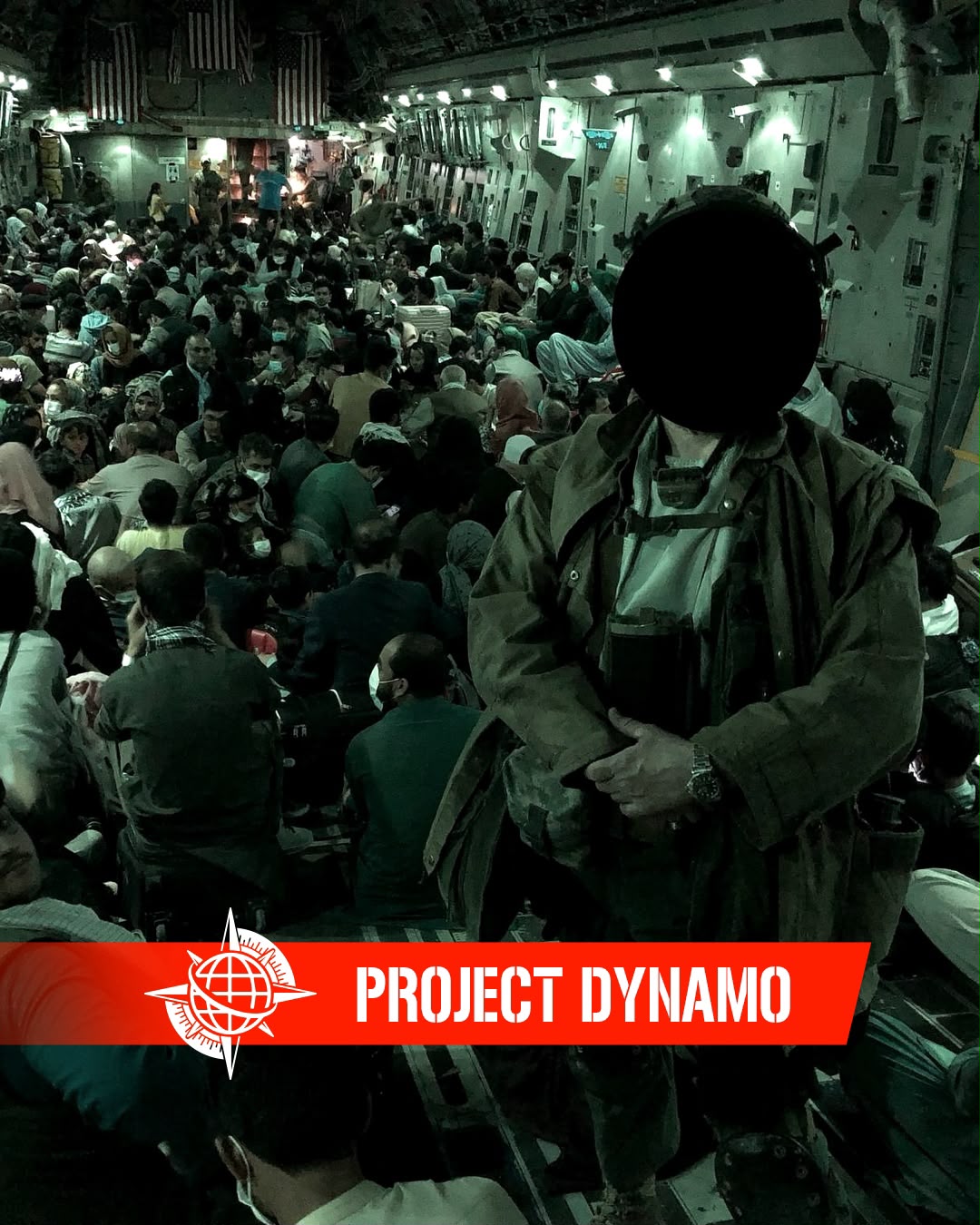
When Kabul fell on August 15, 2021, thousands of people found themselves caught between a collapsing government and an evacuation system they could not reliably reach. The airport remained the clearest path out, but access routes were closing, the gates were overwhelmed, and conditions were changing by the hour. A place on an evacuation list meant little if someone could not be located, verified, assembled, and moved to the airport in time.
Project DYNAMO did not yet exist, but the work that would create it began that day. Brad Cohen, now Chairman of Project DYNAMO, and Mike Dinesman, now Chief Planning Officer and Director of Operations, started building the contacts and evacuation networks needed to move people out of Afghanistan. Their initial focus was U.S. veterans still inside the country, but the effort quickly expanded as requests for assistance increased.
The Founding Story
These chapters trace the volunteer evacuation efforts in Afghanistan and the founding of Project DYNAMO on August 24, 2021.
August 18 — Prologue: Americans Helping Americans
Working independently and without a formal organization behind them, they became part of a much broader American volunteer response. Across Afghanistan and beyond, volunteers, trusted local contacts, and international partners operated through separate but sometimes overlapping networks, exchanging information, sharing access, coordinating transportation, and using whatever routes remained available. No single person or organization controlled the effort.
August 19 — The First Movement
By August 18, the network had confirmed 209 people for evacuation. Passports and recent photographs had been collected, identities verified, and the group assembled at a compound, ready to move.
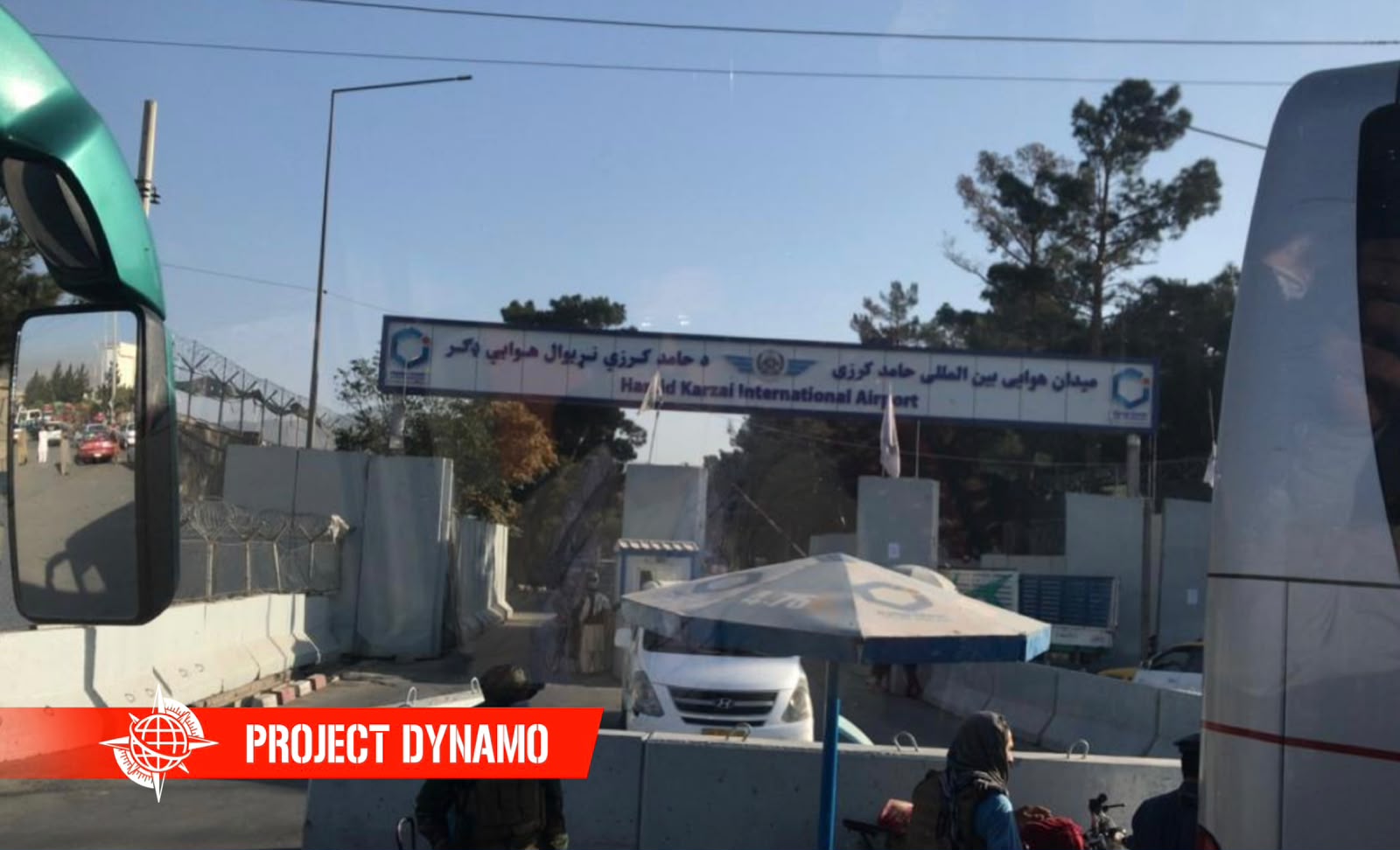
At 1:00 a.m. on August 19, they began moving toward Hamid Karzai International Airport. The process used for that movement—identify the people, verify who they are, establish a secure staging point, build a viable route, and move when an opportunity becomes available—would later become part of Project DYNAMO’s operational approach.
August 20 — When Kabul Airport Was Not Enough
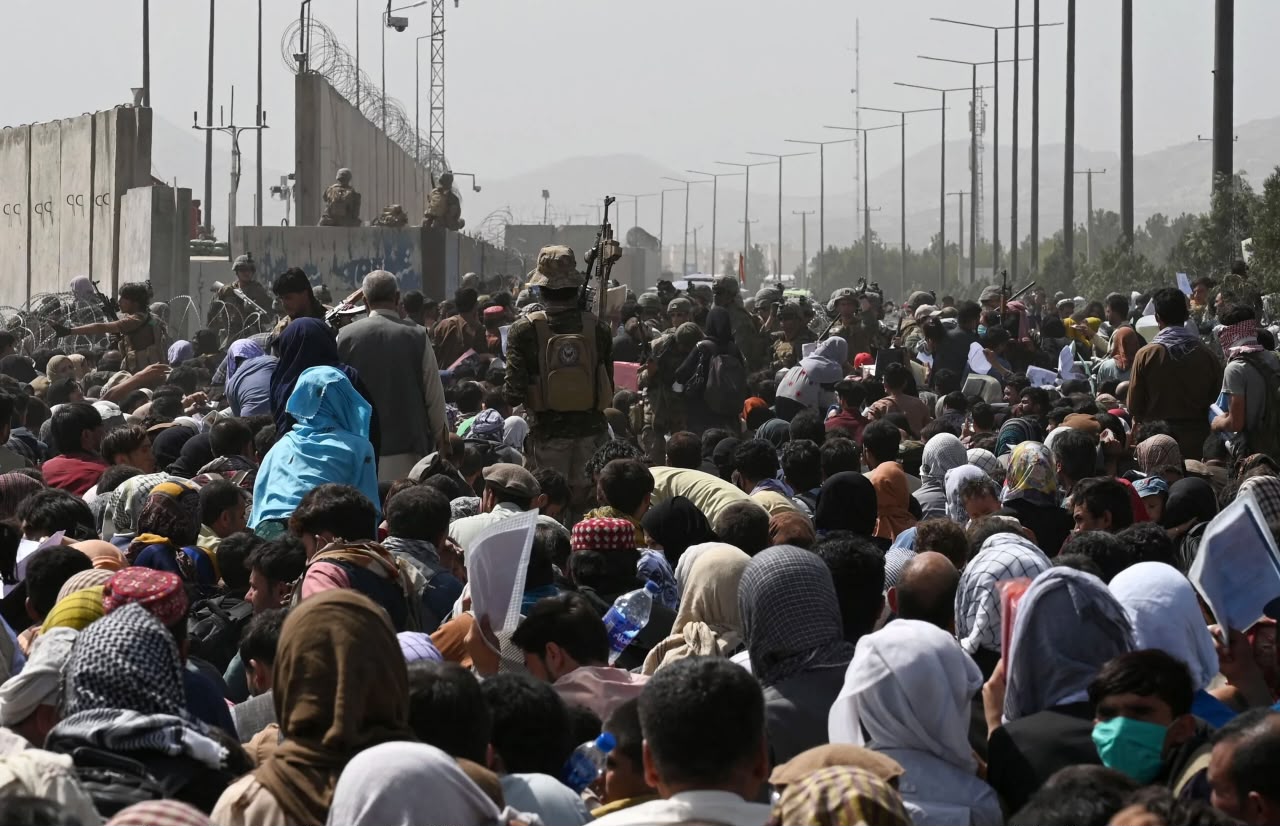
Moving people toward HKIA exposed the central problem confronting every evacuation effort: reaching the airport did not guarantee entry, and reaching the gate did not guarantee a place aboard an aircraft.
As access became increasingly difficult, volunteers and partner networks began developing alternatives beyond the official evacuation system. The airport remained the most visible route out, but it could no longer be treated as the only one.
August 21 — Routes Beyond Kabul
On two occasions, volunteers helped move people toward clandestine landing strips west of Kandahar. Others were connected with covert escape routes leading toward and across the Pakistani border.
These movements were not components of one predetermined plan. Each depended on different volunteers, local contacts, transportation options, and narrow windows of opportunity. When one route closed, someone had to find another before the opportunity to move disappeared.
August 22 — Through Abbey Gate
At Abbey Gate, volunteers worked with experienced South African teams that were moving two buses through the gate each day while access remained possible.
The operation depended on coordination among people working through different organizations and networks. Information, timing, transportation, and access had to align before conditions changed or the gate became unreachable.
August 23 — A Request From the White House
The expanding volunteer effort eventually reached the White House, which contacted members of the network directly and requested assistance locating and evacuating one of its interpreters. The volunteer network contributed to the operation that brought that individual to safety.
By this stage, the volunteer response had demonstrated both what independent networks could accomplish and the limitations of operating without a common structure. The need for an organization capable of coordinating resources, establishing accountability, and continuing the mission after the official evacuation was becoming impossible to ignore.
August 24 — How the Mission Became Project DYNAMO
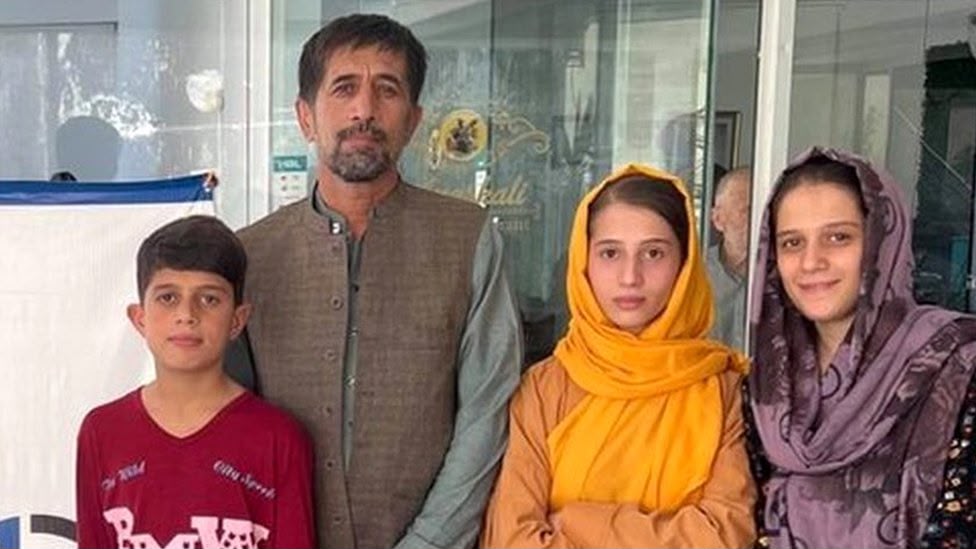
Alongside the evacuation work, a group of patriots had recognized the need to create a formal organization capable of continuing the rescue mission. They were outraged that the lack of government capability was leaving Americans and allies stranded and resulting in preventable deaths.
On August 24, 2021, Project DYNAMO was officially founded. In the period that followed, its initial founders established the organization’s leadership, governance, corporate structure, and common purpose.
Among those founders was Stan Bunner, who had been working with the individuals who became Project DYNAMO’s initial leadership. Bunner became the organization’s Corporate Secretary at its inception and continues to serve in that role today.
Project DYNAMO was not simply an existing volunteer network given a new name. Its founders created a distinct organization capable of consolidating resources, coordinating missions, establishing accountability, and sustaining an independent rescue capability beyond Afghanistan.
Cohen and Dinesman were not members of Project DYNAMO’s original founding group. Their preexisting evacuation work was later recognized as part of the organization’s initial operational record and evacuation count.
After the Official Airlift
When the official airlift ended on August 30, the volunteer effort shifted toward finding aircraft capable of returning for those who remained behind. The end of the government-led evacuation did not eliminate the need; it demonstrated why the independent rescue organization established by Project DYNAMO’s founders was necessary.
By the end of August, the network organized by Cohen and Dinesman had helped between 1,200 and 1,300 people evacuate or escape Afghanistan. When the work each had conducted through separate volunteer efforts was also included, their combined total reached approximately 1,800 people.
Cohen and Dinesman later agreed that those approximately 1,800 evacuees would be recognized as Project DYNAMO’s initial evacuation count. Their inclusion recognized the rescue work completed before the organization was formalized; it did not make them members of its founding group.
What Afghanistan Set in Motion
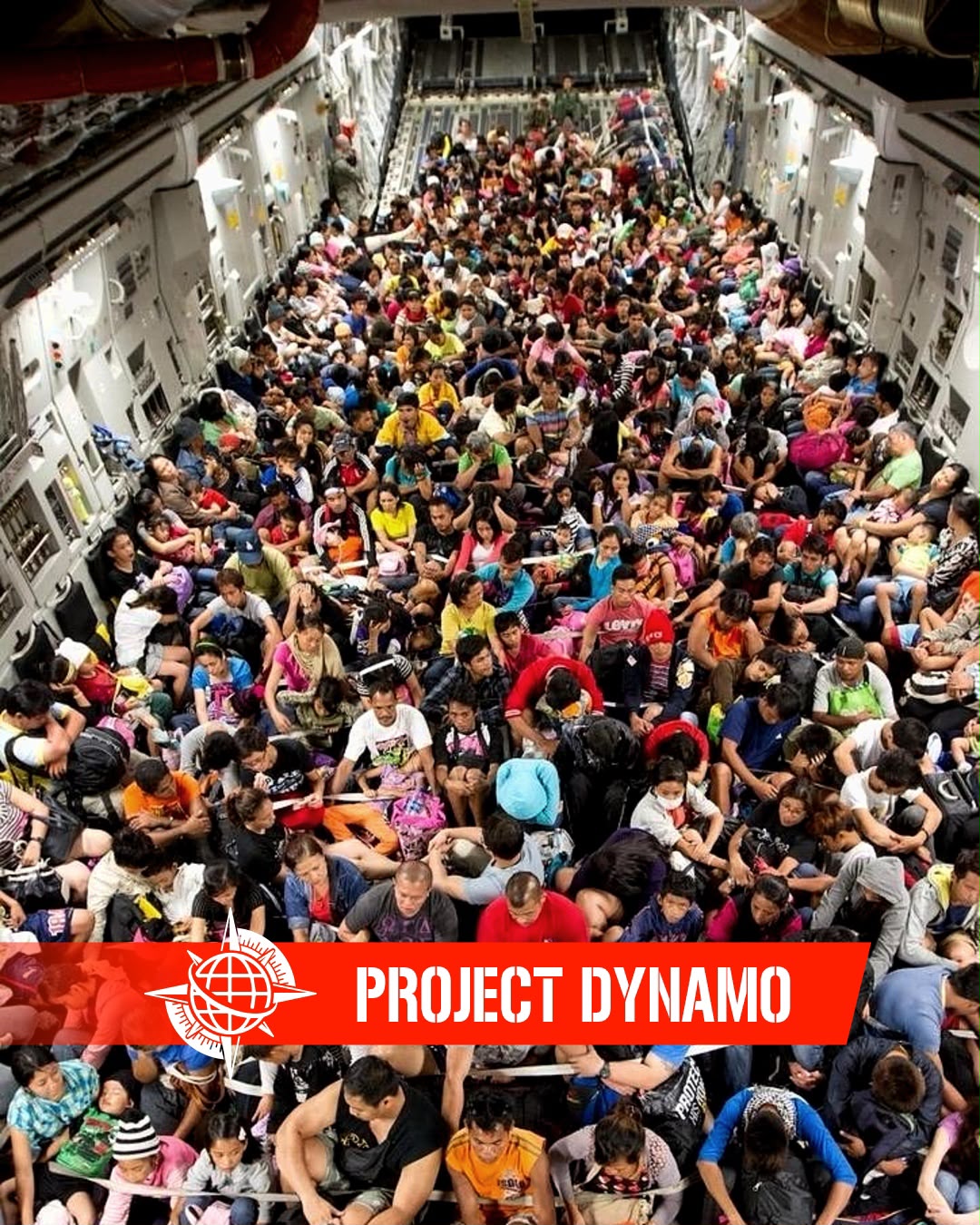
The fall of Afghanistan exposed a gap that would appear repeatedly in the years that followed. Americans and their allies can become trapped in conflicts, disasters, and other crises after conventional evacuation options have failed, become inaccessible, or disappeared entirely. Project DYNAMO was built to operate in that gap.
Since its founding in 2021, Project DYNAMO has assisted 8,100+ people, including Americans and allies, caught in some of the world’s most dangerous conflicts, disasters, and crises, all at no cost to those it serves.
Its teams have conducted 800+ missions across 50+ countries. Project DYNAMO remains veteran-led and donor-funded, receiving no federal, state, or local government funding.
Project DYNAMO emerged when its founders built the formal organization needed to carry forward the urgent rescue work being performed by volunteers. The experience of Afghanistan shaped its methods; the founding group gave the mission the structure, accountability, and permanence required to continue.
PROJECT DYNAMO
Founded August 24, 2021